If you’ve owned an older home or started researching exterior renovations, you’ve probably come across hardboard siding. Once considered an affordable alternative to traditional wood siding, it was installed on millions of homes because it offered the look of painted wood at a lower price.
Today, however, many homeowners ask a different question: Is hardboard siding still worth keeping? The answer depends on its condition, how well it has been maintained, and what your long-term plans are for your home.
The good news is that not every home with hardboard siding needs an immediate replacement. In many cases, regular maintenance and timely repairs can help it continue performing well for years. On the other hand, widespread moisture damage may signal that it’s time to consider newer siding materials.
“Sometimes the best improvements are the simplest ones.”
What Is Hardboard Siding?
Hardboard siding is an engineered wood product made by compressing wood fibers with binders and resins under high pressure and heat. The finished panels are designed to mimic the appearance of traditional wood siding while offering a more affordable option for residential construction.
For many years, hardboard siding became a popular choice because it balanced appearance and cost. Builders could install it on a wide variety of homes, and once painted, it closely resembled natural wood from the street.
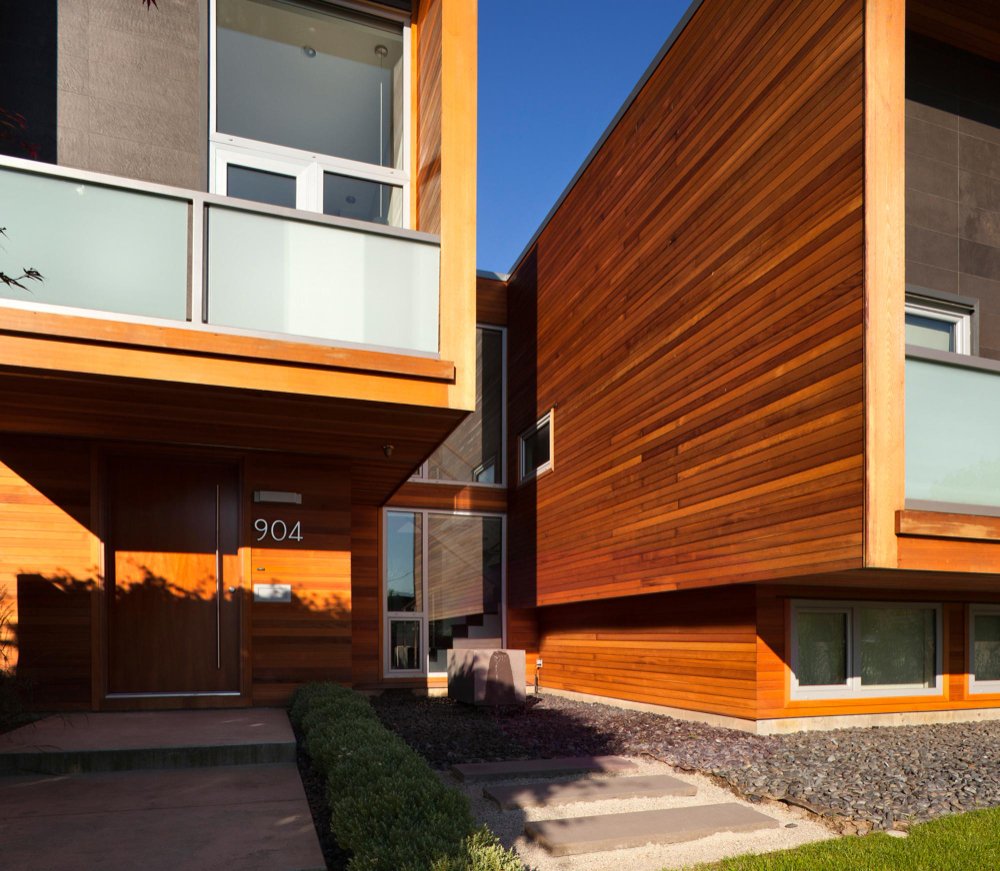
Depending on the manufacturer, hardboard siding was produced in several styles, including horizontal lap siding, vertical panels, and textured finishes that imitated cedar grain or rough-sawn lumber. This versatility allowed homeowners to achieve different architectural looks without the expense of solid wood.
One reason hardboard siding gained popularity was its workability. Contractors could cut, shape, and install the panels using many of the same tools used for wood products, making installation relatively straightforward for experienced crews.
When properly maintained, hardboard siding can remain serviceable for many years. Routine painting, sealing exposed edges, and repairing minor damage promptly all help extend its lifespan. However, unlike materials such as vinyl or fiber cement, hardboard siding is more vulnerable to moisture if protective finishes begin to deteriorate.
That’s why regular inspections are so important. A small area of peeling paint or a tiny crack may not seem like a major concern today, but allowing water to penetrate the material over time can lead to swelling, soft spots, or deterioration that becomes much more expensive to repair.
So, is hardboard siding a bad product? Not necessarily. Many homes still have hardboard siding that performs well because homeowners have stayed ahead of maintenance. The key is understanding both its strengths and its limitations.
What Are the Pros and Cons?
Like most exterior materials, hardboard siding offers advantages as well as tradeoffs. Knowing both sides helps you make realistic decisions about maintenance, repairs, or replacement.
One of its biggest strengths has always been appearance. Properly painted hardboard siding provides the warm, traditional look of wood without the higher initial cost that natural lumber often requires. For homeowners who appreciate classic architecture, that visual appeal continues to be one of its strongest selling points.
It also accepts paint very well, making it relatively easy to refresh the home’s exterior with a new color when it’s time for repainting. This flexibility allows homeowners to update curb appeal without changing the siding itself.
Some of the primary advantages include:
- Affordable initial cost compared with many natural wood products.
- Traditional wood appearance that complements many architectural styles.
- Smooth paint finish for easy color changes during future renovations.
- Wide historical availability, making it common on many existing homes.
However, the material also requires realistic expectations. Because hardboard is manufactured from compressed wood fibers, moisture is its greatest long-term challenge. If paint begins to fail or water repeatedly reaches exposed edges, the material can absorb moisture, eventually leading to swelling or deterioration.
This doesn’t mean every hardboard siding installation will experience problems—but it does mean ongoing maintenance is an important part of protecting your investment.
Moisture problems don’t usually appear overnight. Instead, they develop gradually, which is why routine inspections are so valuable. Catching a small issue early is almost always easier—and less expensive—than waiting until large sections of siding need to be replaced.
The most common disadvantages of hardboard siding include:
- Moisture sensitivity if protective paint or sealants begin to fail.
- Swelling or edge deterioration after prolonged water exposure.
- Regular maintenance requirements, including repainting and inspections.
- Potential rot if damaged areas are ignored for extended periods.
Inspect painted hardboard siding at least once a year. Repairing chipped paint, sealing exposed edges, and correcting small moisture issues early can significantly extend the life of the siding.
Should You Repair or Replace Hardboard Siding?
This is probably the biggest question homeowners ask—and the answer depends on the condition of your siding.
If the damage is limited to a few isolated areas, repairing the affected panels and repainting the exterior may be the most practical solution. Small cracks, chipped paint, or localized moisture damage can often be addressed before they spread further.
However, if you discover widespread swelling, extensive rot, repeated water intrusion, or multiple deteriorating panels around the home, replacement may provide better long-term value than continuing to perform frequent repairs.
Not sure what to look for? Here are several signs that deserve a closer inspection:
- Soft or spongy areas when gently pressed.
- Swollen panel edges.
- Peeling or bubbling paint.
- Visible rot or crumbling material.
- Repeated moisture damage in the same locations.
If replacement becomes the better option, today’s homeowners have several excellent alternatives to consider.
Fiber cement siding is known for its durability, fire resistance, and ability to mimic painted wood. Engineered wood siding offers a similar appearance with enhanced resistance to moisture and pests, while vinyl siding remains one of the most popular low-maintenance choices thanks to its affordability and broad selection of colors and profiles.
A professional inspection can help determine whether your existing siding still has years of useful service remaining or whether replacement would ultimately be the more cost-effective investment.
Is Hardboard Siding Right for Your Home?
If your home already has hardboard siding that’s in good condition, there’s no reason to assume it must be replaced immediately. Well-maintained siding can continue protecting a home for many years, especially when small repairs are addressed promptly and routine maintenance isn’t overlooked.
On the other hand, if you’re planning a major exterior renovation or dealing with widespread deterioration, it may be worth comparing today’s modern siding materials before investing heavily in repairs. Newer products often provide improved moisture resistance, lower maintenance requirements, and longer expected service lives.
When making your decision, consider a few important questions:
- How extensive is the existing damage?
- Does your local climate expose the siding to frequent moisture?
- Are you comfortable with periodic repainting and maintenance?
- Would replacement better support your long-term remodeling goals?
There’s no universal answer because every home is different. A well-maintained hardboard siding installation may continue performing reliably, while another home with extensive moisture damage may benefit from a complete exterior upgrade.
Understanding hardboard siding helps you make informed decisions based on the condition of your home rather than assumptions about the material itself. Whether you choose to maintain, repair, or replace it, acting early is usually the most effective way to protect both your home’s appearance and its structural integrity.